If your seasonal allergies seem to get worse every year no matter what you try, the problem might not be in your sinuses. It might be in your gut. Research increasingly shows that the health of your digestive system plays a major role in how your immune system responds to allergens like pollen, dust, and mold. Learning how to improve gut health for allergies could be the missing piece in your allergy relief strategy.
Nearly 70% of your immune system lives in your gut. That means the trillions of bacteria in your digestive tract directly influence whether your body overreacts to harmless substances like tree pollen or grass. When your gut microbiome is out of balance, your immune system can go into overdrive, and that is when sneezing, congestion, itchy eyes, and brain fog take over your spring.
In this guide, we will walk you through the science behind the gut-allergy connection and share practical, natural strategies you can start using today to calm your immune response from the inside out.
Key Takeaways
- About 70% of your immune system resides in your gut, which means digestive health directly affects how your body reacts to seasonal allergens like pollen and mold.
- An imbalanced gut microbiome can trigger an overactive immune response, making allergy symptoms worse. Restoring balance with probiotics, fiber, and anti-inflammatory foods may help reduce symptoms naturally.
- Simple daily habits like eating fermented foods, increasing fiber intake, and using nasal irrigation can support both gut health and allergy relief at the same time.
Watch: Understanding the Root Causes of Allergies
Before we dive into the practical steps, this conversation with immunologist Dr. Elroy Vojdani breaks down why allergies are getting worse and what you can do about it. It is a great deep dive into the science behind the gut-immune connection:
Why Improving Gut Health for Allergies Starts in Your Digestive System
Your gut is home to something called the gut-associated lymphoid tissue, or GALT. This is the largest concentration of immune cells anywhere in your body. These cells are constantly communicating with the bacteria in your digestive tract, learning what is safe and what is a threat.
When your microbiome is diverse and balanced, your immune system stays calm and proportionate in its responses. But when that balance gets disrupted, your immune system can start overreacting. Scientists call this dysbiosis. Your body treats harmless substances as threats. Pollen lands in your nose, your immune system sounds the alarm, and suddenly you are dealing with histamine flooding your body, causing sneezing, watery eyes, congestion, and fatigue.
Studies have shown that people with seasonal allergies tend to have lower levels of beneficial bacteria like Bifidobacterium and Lactobacillus compared to people without allergies. That is not a coincidence. It is a clue about where real allergy relief might start.
What Causes Gut Imbalance in the First Place?
If you are wondering how your gut got out of balance, you are not alone. Modern life is tough on the microbiome. Common culprits include frequent antibiotic use, which wipes out good bacteria along with the bad. A diet high in processed foods and sugar also plays a role. So do chronic stress, poor sleep, and toxins like pesticides in food.
Even something as simple as not eating enough fiber can starve the good bacteria in your gut over time. When beneficial species decline, opportunistic bacteria can take over, creating inflammation that ripples out to affect your entire immune system.
The good news is that your microbiome is remarkably responsive to change, and understanding how to improve gut health for allergies can make a real difference. With the right dietary and lifestyle adjustments, many people begin to notice improvements in both gut health and allergy symptoms within a few weeks.
How Probiotics May Help Reduce Allergy Symptoms
Probiotics are live beneficial bacteria that can help restore balance to your gut microbiome. Research suggests that certain strains may be particularly helpful for people with seasonal allergies. One well-designed study found that specific probiotic strains reduced allergy symptoms. People in the probiotic group also needed less medication than those taking a placebo.
The strains with the most research behind them for allergy support include Lactobacillus rhamnosus, Lactobacillus acidophilus, and Bifidobacterium lactis. These bacteria appear to help modulate the immune response, reducing the production of inflammatory compounds that drive allergy symptoms.
NOW Supplements Respiratory Care Probiotic

Source: amazon.com
Clinically tested NCFM and BI-04 strains for respiratory and immune support
The Wellthie One Review
NOW Respiratory Care Probiotic Attributes
- Contains clinically tested Lactobacillus acidophilus NCFM strain for respiratory health
- Includes Bifidobacterium lactis BI-04 for immune system support
- 60 vegetarian capsules, suitable for children and adults
- GMP quality assured with NPA A-rated certification
NOW Supplements Respiratory Care Probiotic stands out because it uses two clinically studied strains that have been specifically researched for respiratory and immune health. The NCFM and BI-04 strains have shown positive results in studies on seasonal respiratory challenges. At under $18 for 60 capsules, it offers solid value compared to many allergy-focused supplements on the market.
The Best Foods to Support Your Gut and Calm Allergies
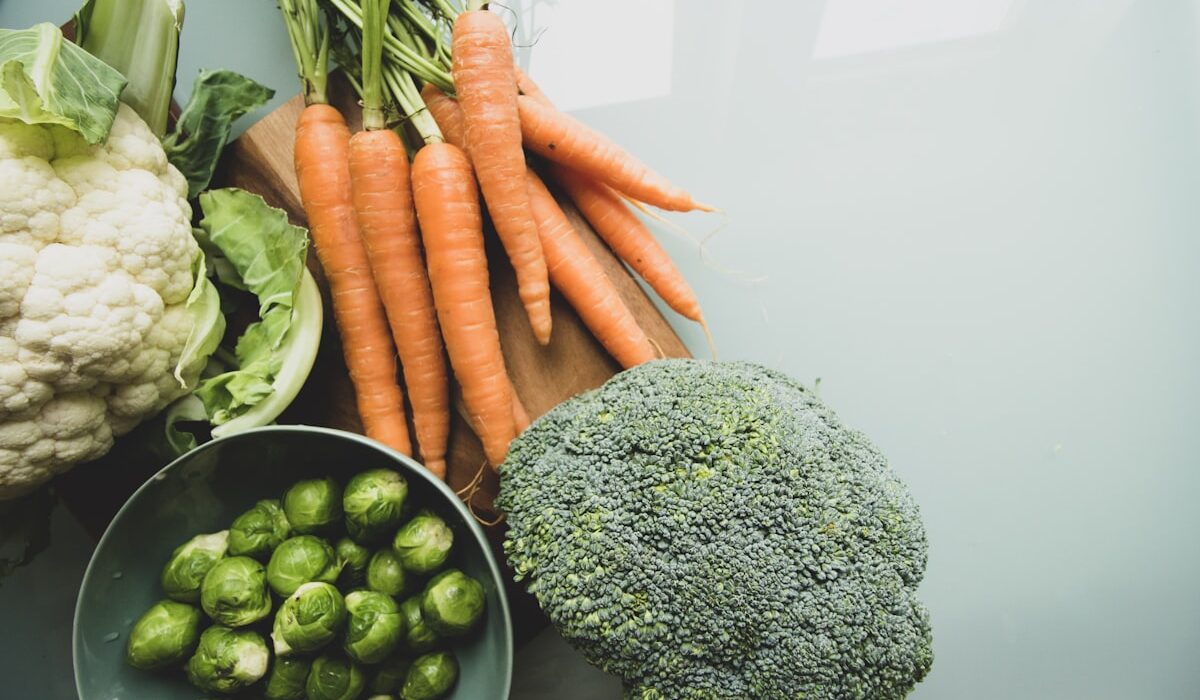
When it comes to gut health for allergies, you do not need to rely on supplements alone. Some of the most powerful gut-healing, allergy-calming tools are already in your kitchen or at your local grocery store.
Fermented Foods
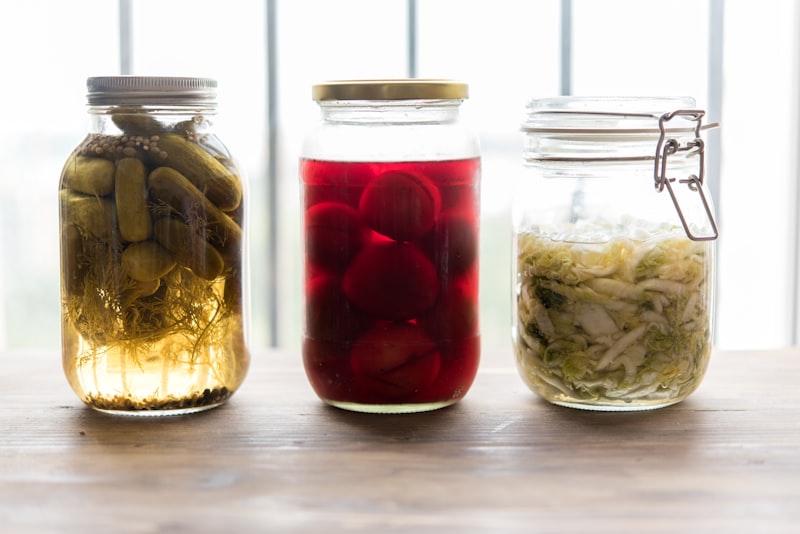
Yogurt, kefir, sauerkraut, kimchi, and miso are all rich in natural probiotics. Eating these foods regularly helps introduce diverse beneficial bacteria into your gut. Studies suggest that people who consume fermented foods regularly have greater microbiome diversity and lower markers of inflammation.
High-Fiber Foods
Fiber feeds your beneficial gut bacteria. Think of it as fertilizer for your microbiome. Aim for a variety of sources: vegetables, fruits, legumes, nuts, seeds, and whole grains. Prebiotic-rich foods like garlic, onions, bananas, asparagus, and oats are especially good because they contain specific fibers that your beneficial bacteria love.
Quercetin-Rich Foods
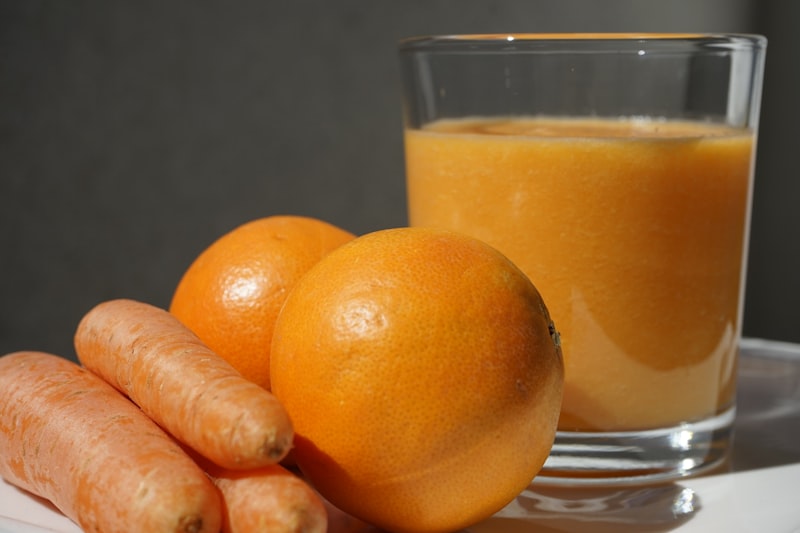
Quercetin is a natural flavonoid found in apples, onions, berries, and green tea. It works as a natural mast cell stabilizer, meaning it may help prevent the release of histamine that causes allergy symptoms. Eating these foods regularly during allergy season is a simple way to give your body extra support.
Thorne Quercetin Phytosome

Source: amazon.com
Enhanced-absorption quercetin for natural histamine support
The Wellthie One Review
Thorne Quercetin Phytosome Attributes
- Phytosome complex for significantly better absorption than standard quercetin
- Natural mast cell stabilizer that may help reduce histamine release
- Third-party tested for purity and potency
- Trusted by healthcare practitioners
We like this one because Thorne is known for high-quality, third-party tested supplements. The phytosome delivery means your body can actually use the quercetin rather than passing most of it through.
Anti-Inflammatory Foods
Omega-3 fatty acids from wild-caught fish, walnuts, and flaxseeds help reduce the inflammatory response that drives allergy symptoms. Turmeric (paired with black pepper for absorption) and ginger are also excellent additions to an allergy-friendly diet.
Nasal Irrigation: A Simple Practice That Supports Both Gut and Sinus Health
While you are working on improving your gut health from the inside, nasal irrigation can provide more immediate relief on the outside. Using a neti pot or sinus rinse bottle to flush your nasal passages with saline solution physically removes pollen, dust, and other allergens before they can trigger a response.
Research shows that regular nasal irrigation can reduce allergy symptoms, decrease the need for medication, and improve quality of life during allergy season. It is one of the simplest and most cost-effective allergy relief strategies available.
NeilMed NasaFlo Neti Pot

Source: amazon.com
Simple, effective nasal irrigation for daily allergy relief
The Wellthie One Review
NeilMed NasaFlo Neti Pot Attributes
- Comes with 50 premixed saline packets
- Unbreakable, lightweight design
- Simple gravity-based flow for comfortable rinsing
- One of the most popular and well-reviewed neti pots available
Many allergy sufferers find that rinsing once in the morning and once before bed makes a noticeable difference in congestion and sinus pressure. We like this neti pot because it is easy to use, affordable, and comes with everything you need to get started right away.
Lifestyle Habits That Support Gut Health and Reduce Allergies
Diet is the foundation, but several lifestyle factors also play an important role in keeping your gut and immune system balanced.
Manage Stress
Chronic stress increases cortisol, which disrupts gut barrier function and can worsen both dysbiosis and allergic inflammation. Even five to ten minutes of daily breathwork, meditation, or a calm walk outside can help bring your stress hormones back to a healthier range. If you want to take it further, vagus nerve exercises can help regulate your nervous system naturally and support your body’s stress response.
Prioritize Sleep
Poor sleep has been linked to reduced microbiome diversity and increased immune reactivity. During allergy season, this can create a frustrating cycle: allergies disrupt your sleep, and poor sleep makes your allergies worse. Aim for seven to nine hours per night, keep a consistent sleep schedule, and address nighttime congestion with nasal irrigation before bed.
Move Your Body Regularly

Moderate exercise has been shown to improve microbiome diversity and reduce systemic inflammation. Walking, yoga, swimming, and cycling are all great options. Just be mindful of pollen counts if you exercise outdoors during peak allergy season. Early morning or after rain tends to be lower in airborne pollen.
How Long Does It Take to See Results?
This is the question everyone asks, and the honest answer is that it varies. Some people notice improvements in allergy symptoms within a couple of weeks of making dietary changes and adding probiotics. For others, it may take a full allergy season of consistent effort before the benefits really show up.
The key is consistency. Your gut microbiome did not become imbalanced overnight, and it will not fully recover overnight either. Think of it as a long-term investment in your health. The dietary and lifestyle changes that support your gut do not just help with allergies. They also support better digestion, clearer skin, improved mood, and stronger overall immunity.
If you have severe or persistent allergy symptoms, it is always a good idea to talk with your healthcare provider. They can help rule out other factors and work with you on a plan that combines conventional treatments with gut-supportive strategies.
How to Improve Gut Health for Allergies: Start Today
Seasonal allergies do not have to be something you just suffer through every year. By understanding the connection between your gut health and your immune response, you can take a more proactive, root-cause approach to finding relief. Start with one or two changes that feel manageable. Maybe that is adding a daily probiotic and a serving of fermented food, or starting a nasal irrigation routine. Build from there, stay consistent, and pay attention to how your body responds. Your gut has a remarkable ability to heal and adapt when you give it the right support, and your sinuses may thank you for it.
This post may contain affiliate links, which means we may receive a small commission, at no cost to you, if you make a purchase through a link.