

Sinus or Migraine? Headache Source Decoder
Most “sinus headaches” are actually migraines (per PubMed). Three questions help sort which one is driving your head pain — and the right tools to try.
If you keep getting what you call “sinus headaches,” there's a high probability you actually have undiagnosed migraine. According to PubMed research, most patients who self-diagnose sinus headaches are actually experiencing migraine attacks that present with sinus-area pain. The reason matters: treating a migraine with sinus tools alone leaves you frustrated, and treating real sinus pressure with migraine meds wastes both time and money.
This article walks you through the overlap, helps you tell which is which, and gives you the evidence-backed tools for both.
First: use the Sinus or Migraine Decoder above
Three questions sort whether your headache pattern points to sinus, migraine, or a mix — with the specific tools to try for each.
Mold and mycotoxin work is brutal when it's actually mold and frustrating when it isn't. The same brain fog, fatigue, and inflammation show up across all four toxic load types, which is why so many people spend months on the wrong protocol before that becomes obvious. The 2-minute What's Draining Your Brain Tool helps confirm or rule out mold as your dominant load before you commit to the next phase of work.
4 Tools for the Sinus + Migraine Overlap
PA-API verified. Affiliate links — same price to you.


Why sinus + migraine get confused
Both conditions activate the trigeminal nerve, which carries sensation from the face, sinuses, and head. When that nerve fires, your brain registers pain in the SAME geographic area regardless of whether the trigger is sinus inflammation or migraine cascade. Add the fact that real sinus pressure can TRIGGER migraine in susceptible people, and you get a confusing clinical picture.
The diagnostic clue: migraine almost always brings additional symptoms (throbbing, light/sound sensitivity, nausea, aura). Pure sinus pressure is usually just steady pressure WITHOUT those features.
Sinus + migraine often share the same upstream drivers
The 4 tools with the strongest evidence
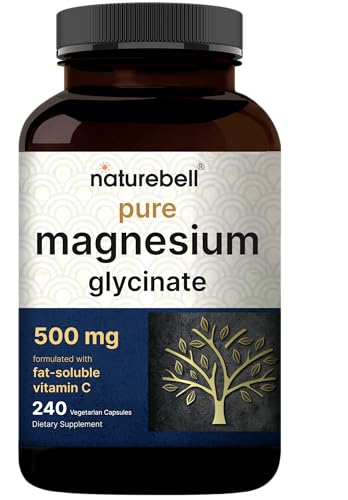
1. Magnesium glycinate. 400-600mg daily. Strong evidence for migraine prevention; also reduces neurogenic inflammation that contributes to sinus pressure. Lowest-risk first-line intervention.
2. Butterbur (PA-free formulation only). 75mg twice daily. Strong herbal evidence for reducing migraine frequency. Use only PA-free formulations to avoid liver toxicity.
3. Feverfew. 100-300mg daily. Traditional anti-migraine herb. Slower onset (6-8 weeks for full effect) but sustainable preventive.
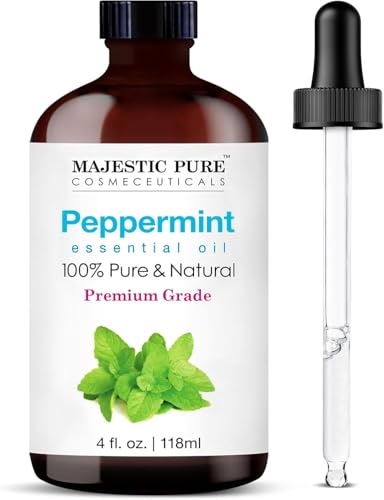
4. Peppermint essential oil. Dilute 1:1 with carrier oil, massage to temples and forehead at first sign of headache. Strong evidence for tension headache, useful for acute sinus pressure too.
Research behind sinus disease + migraine overlap
- Robblee J, Secora KA. (2021). Debunking Myths: Sinus Headache. Curr Neurol Neurosci Rep, 21(8):42. [DOI]“Most sinus headaches are migraine.” Sinus-region pain from sinusitis AND migraine share the same trigeminovascular origin. Migraine medications can be used as both treatment AND diagnostic tool.
- Bernstein JA, et al. (2013). Headache and facial pain: differential diagnosis and treatment. J Allergy Clin Immunol Pract, 1(3):242-51. [DOI]Comprehensive review distinguishing primary (migraine, tension, cluster) from secondary (rhinosinusitis, TMJ) headaches. Underscores that history + physical are critical — not imaging — for correct diagnosis.
- Okeson JP. (2000). Non-odontogenic toothache (covers sinus-migraine referred pain). Northwest Dent, 79(5):37-44. [PubMed]Documents the trigeminal nerve network where sinus, migraine, and dental pain pathways converge — explaining why one set of symptoms can mimic another.
Frequently Asked Questions
How can I tell if my sinus headache is actually migraine?
Three clues: (1) throbbing/pulsing quality vs steady pressure, (2) light or sound sensitivity, (3) nausea. Any of those = migraine until proven otherwise. Per PubMed, most “sinus headaches” are misdiagnosed migraines.
Why does my sinus pain trigger migraine?
Both share the trigeminovascular system. Sinus inflammation can activate the same nerve pathways that trigger migraine in susceptible people. The relationship goes both ways: real sinus pressure can trigger migraine, AND migraine can present with sinus-area pain even without actual sinus disease.
What is the best supplement for sinus migraines?
Magnesium glycinate (400-600mg daily) has the strongest evidence for both migraine prevention and reducing sinus-related inflammation. Butterbur (75mg twice daily, PA-free formulations only) and feverfew (100-300mg daily) are evidence-supported add-ons.
Can a sinus infection cause a real migraine?
Yes, in people with underlying migraine susceptibility. The sinus inflammation acts as a trigger, not a cause. Treating the sinus infection helps short-term but the migraine pattern often persists, which is the giveaway.
When should I see a doctor for sinus migraines?
Weekly or daily headaches need professional evaluation. Same for any sudden severe headache (“worst of my life”), headache with fever above 101, vision changes, neck stiffness, or new neurological symptoms. Otherwise, a 30-day headache log is your best diagnostic tool.
Bottom line
Most “sinus headaches” are actually undiagnosed migraine. Use the Decoder above to sort your pattern, start with the magnesium baseline regardless, and pair with the Recurring Sinus Infections decoder if real sinus involvement is present. For the bigger picture, see our Sinus Herbal Remedies guide.


