

Brain fog after surgery. Quick test below to see your current cognitive sharpness and which of four toxic load patterns might be driving your fog. Then the article unpacks what is happening and what to do.
Take The Free Brain Fog Test First
60 seconds. Three cognitive mini-tests measure processing speed, working memory, and executive attention. The result routes to one of four toxic load patterns.
The 60-Second Brain Fog Test
Three quick cognitive tests measure processing speed, working memory, and executive attention. Total time: about 1 minute. At the end you get a brain fog score from 1 (heavy fog) to 10 (sharp) and which of four toxic load patterns matches your error profile.
Find a quiet moment. No phone notifications.
Test 1 of 3 Math Sprint
Answer as many problems as you can in 20 seconds. Type the answer, press Enter.
Bentonite, charcoal, chelation, cilantro, mercury chasing — these protocols all assume heavy metals are your dominant toxic load. For some people they are. Plenty of others land in this kind of work suspecting metals when adrenal exhaustion, parasites, or mold are actually doing more of the damage, and the protocols look very different depending which one is yours. If you want to sort it out before committing to weeks of binders, the 2-minute What's Draining Your Brain Tool places you in one of four root cause types so the next thing you try has a real chance of working.
Test 2 of 3 Memory
Memorize these 5 words. You have 6 seconds.
Test 2 of 3 Quick Distraction
What is 12 minus 7?
Just to clear your short-term memory buffer.
Test 2 of 3 Recall
Type the 5 words you saw. Order does not matter. Spelling counts.
Test 3 of 3 Color Stroop
Name the COLOR the word is printed in. Not the word itself. 20 seconds.
Your Brain Fog Score
Sharp |
Your composite score combines processing speed, working memory, and executive attention. The pattern is identified by which of the three tests you struggled with most.

Why Anesthesia Lingers In Your Brain

Bulk Supplements Activated Coconut Charcoal
Binds residual anesthesia metabolites in the gut so they exit rather than recirculate. Start 5-7 days post-op once bowels are moving. Take 60-90 minutes from food and meds.
Check Price on Amazon
General anesthesia is not a one-night event. Modern anesthetics (sevoflurane, propofol, midazolam) are fat-soluble. They store in fat cells and the brain (which is 60% fat). They release slowly over weeks. Five drivers extend the fog:
Anesthesia metabolite residue. Even 4-6 weeks post-op, anesthetic compounds are detectable in fat and brain tissue. As they release, they continue to affect cognition.
Inflammation cascade. Surgery itself produces a major inflammatory response. Cytokines spike for days. Microglia in the brain activate and stay activated for weeks.
Glutathione depletion. Phase 2 liver detox runs hard during the post-op window. Glutathione drops to bottom of normal range or below. Without adequate glutathione, every other detox pathway slows.
Anti-inflammatory drug load. Post-op pain control with NSAIDs, opioids, and benzodiazepines further tax the liver. The combination of anesthesia + analgesics + post-op antibiotics is the highest pharmacological load most people experience in a year.
Gut microbiome disruption. Antibiotics, opioids, and surgical stress disrupt the gut-brain axis for 3-6 months minimum. Gut-derived inflammation prolongs fog.
The Realistic Recovery Timeline
- Days 1-7: Heavy fog, sleep is broken, word retrieval bad. Normal.
- Weeks 2-4: 50-70 percent recovery for most. Heavy lift returning.
- Weeks 5-8: Should be 80-90 percent. Targeted support helps.
- Weeks 9-12: Near baseline for most patients.
- 3-6 months out: Persistent fog warrants functional medicine workup.
Age And Surgery Type Matter
Two factors most influence post-op cognition:
- Age. Over 65, the risk of persistent post-op cognitive dysfunction climbs significantly.
- Surgery length. Procedures over 3 hours under general anesthesia produce more residue.
What Actually Speeds Recovery
- Liposomal glutathione. 1-2 tsp daily for 8 weeks. Replenishes what was burned through.
- NAC. 600-1200mg daily. Supports liver phase 2.
- Activated charcoal. Starting day 5-7 post-op (once bowels are moving). Binds anesthesia metabolites in the gut.
- Milk thistle. Liver support throughout the recovery window.
- Bone broth and protein. Tissue repair amino acids.
- Vitamin C high-dose. 2000-3000mg daily through the inflammation phase.
- Castor oil packs over the liver. Once cleared for incision care, 3-4 nights per week.
- Gut microbiome restoration. Spore probiotic, fermented foods, prebiotic fiber. The post-antibiotic restoration matters.

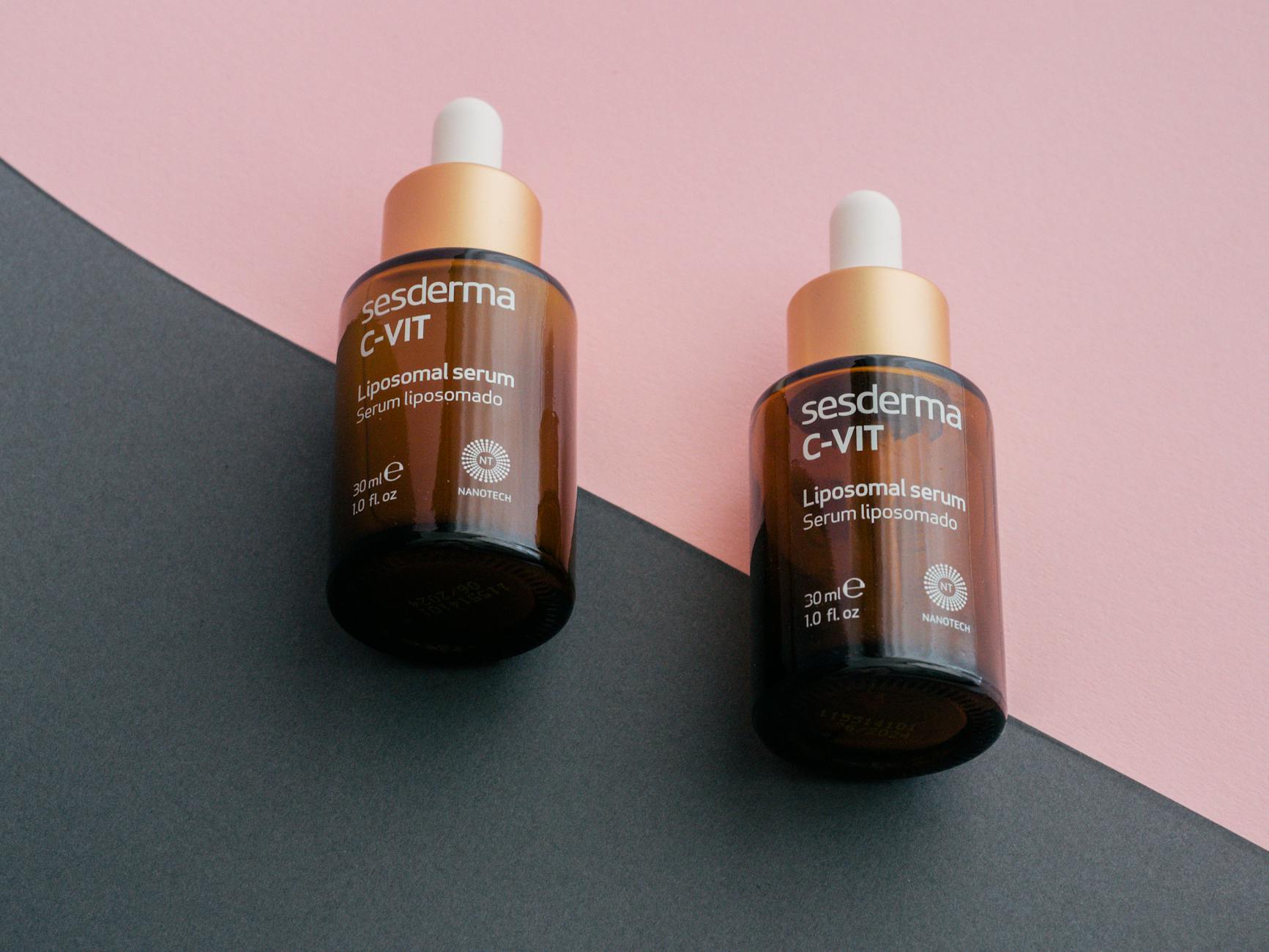
Quicksilver Scientific Liposomal Glutathione
Bypasses gut absorption issues common post-op. Replenishes glutathione depleted by anesthesia processing. 1-2 tsp daily for 8 weeks post-surgery.
Check Price on AmazonTake The Toxic Load Tool Right Now ↓
Counting calories alone rarely fixes stuck weight or chronic symptoms. The tool sorts you into one of four root patterns — heavy metals, parasites, mold, adrenal — so you commit to a protocol that actually matches what’s draining your body.
What's Draining Your Brain? Find Your Toxic Load Type
10 quick questions to find your toxic-load type — heavy metals, parasites, mold, or burned-out adrenals. Takes about 90 seconds. Includes a free First-Step Detox Cheat Sheet with five habits anyone can start tomorrow.
What NOT To Do
- Do not return to caffeine the moment you feel awake. The HPA axis is in recovery. Stimulants worsen it.
- Do not do an “aggressive detox” in the first 4 weeks. The body is in repair mode, not detox mode. Pulling toxins prematurely worsens recovery.
- Do not skip the supplementation thinking “it should resolve on its own.” Many post-op fog cases that became chronic were just under-supported.
- Do not assume cognitive recovery is linear. Two steps forward, one step back is normal for the first month.
Related reading in the brain fog cluster:
Disclosure. As an Amazon Associate, I earn from qualifying purchases. Educational content; not medical advice. Persistent cognitive symptoms warrant evaluation by a qualified practitioner.


