

Alcohol brain fog. Quick test below to see your current cognitive sharpness and which of four toxic load patterns might be driving your fog. Then the article unpacks what is happening and what to do.
Take The Free Brain Fog Test First
60 seconds. Three cognitive mini-tests measure processing speed, working memory, and executive attention. The result routes to one of four toxic load patterns.
The 60-Second Brain Fog Test
Three quick cognitive tests measure processing speed, working memory, and executive attention. Total time: about 1 minute. At the end you get a brain fog score from 1 (heavy fog) to 10 (sharp) and which of four toxic load patterns matches your error profile.
Find a quiet moment. No phone notifications.
Test 1 of 3 Math Sprint
Answer as many problems as you can in 20 seconds. Type the answer, press Enter.
Bentonite, charcoal, chelation, cilantro, mercury chasing — these protocols all assume heavy metals are your dominant toxic load. For some people they are. Plenty of others land in this kind of work suspecting metals when adrenal exhaustion, parasites, or mold are actually doing more of the damage, and the protocols look very different depending which one is yours. If you want to sort it out before committing to weeks of binders, the 2-minute What's Draining Your Brain Tool places you in one of four root cause types so the next thing you try has a real chance of working.
Test 2 of 3 Memory
Memorize these 5 words. You have 6 seconds.
Test 2 of 3 Quick Distraction
What is 12 minus 7?
Just to clear your short-term memory buffer.
Test 2 of 3 Recall
Type the 5 words you saw. Order does not matter. Spelling counts.
Test 3 of 3 Color Stroop
Name the COLOR the word is printed in. Not the word itself. 20 seconds.
Your Brain Fog Score
Sharp |
Your composite score combines processing speed, working memory, and executive attention. The pattern is identified by which of the three tests you struggled with most.

Why Alcohol Brain Fog Hits Harder After 35

NOW Foods NAC 600mg
Glutathione precursor that the liver burns through processing alcohol. Take 600-1200mg before and after drinking to support phase 2 detox and reduce next-day fog dramatically.
Check Price on Amazon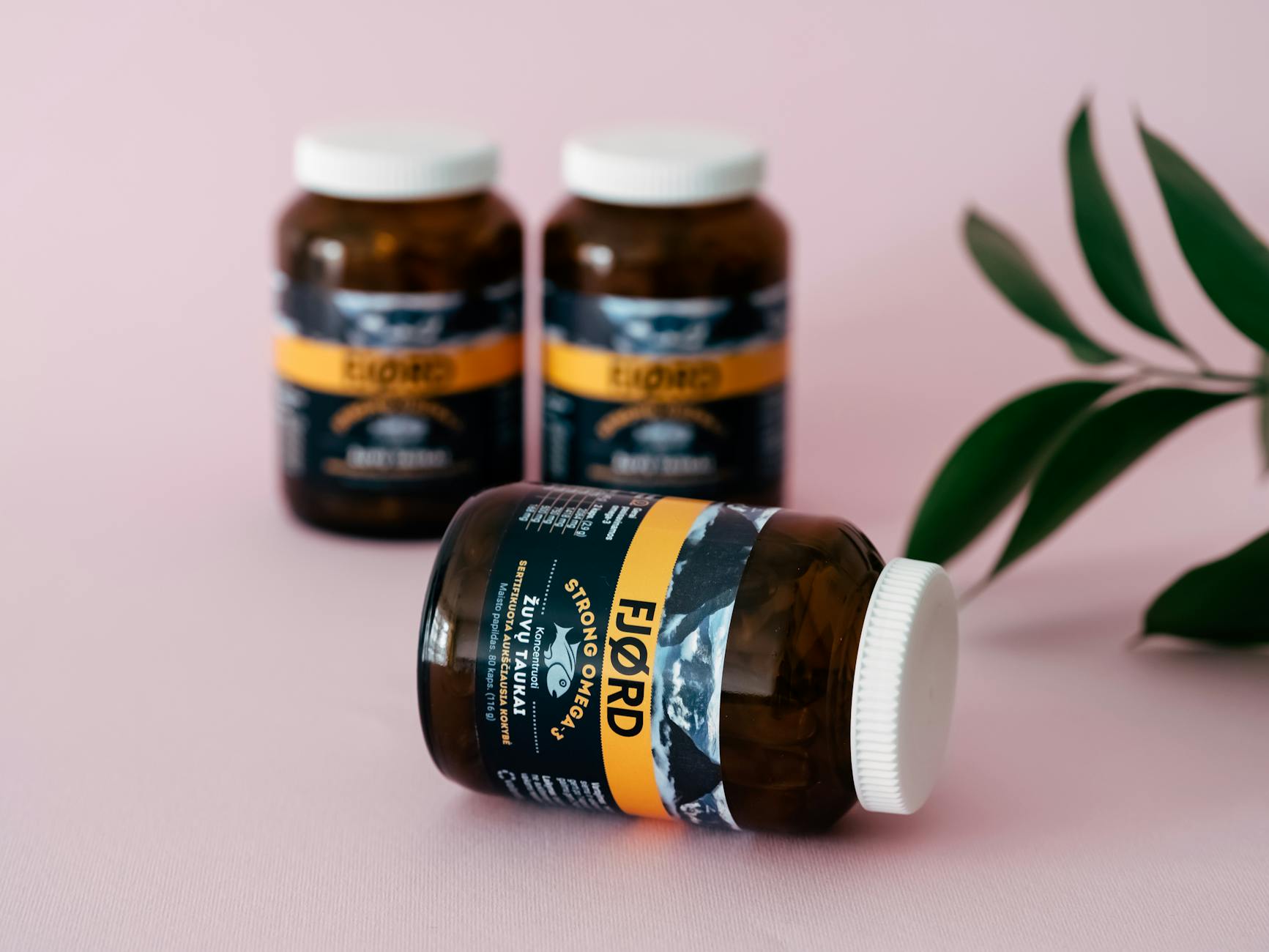
You used to handle 3 glasses of wine fine. Now half a glass and you wake foggy. The chemistry has not changed. Your liver has. Three mechanisms drive the change:
Glutathione depletion. Glutathione is the master antioxidant. Your liver uses it to neutralize acetaldehyde, the toxic intermediate the body produces when processing alcohol. After 35, baseline glutathione production drops 10-15% per decade. Less glutathione means more acetaldehyde circulates. Acetaldehyde produces the fog.
Liver phase 2 backlog. Your liver has two phases of detox. Phase 1 starts the reaction. Phase 2 finishes it and prepares for excretion. Phase 2 is slower under environmental load (chemicals, pesticides, plastics). If phase 2 is backed up before you drink, alcohol metabolites pile up. The fog is what you feel.
Gut-brain axis disruption. Alcohol degrades the gut lining acutely. Endotoxins (LPS) cross the disrupted barrier into circulation. LPS is highly inflammatory to the brain. This is “endotoxemia,” and it is the dominant driver of next-day fog and depression after drinking.
Acetaldehyde Is The Real Culprit
Most people blame the alcohol itself. The real damage is the metabolite. Acetaldehyde is 10x more toxic than alcohol. Symptoms it produces:
- Brain fog and slow thinking
- Headache and head pressure
- Flushing and sweating
- Mood drop and anxiety
- Heart palpitations
- Damaged DNA in liver cells
Asian populations with a genetic ALDH variant cannot process acetaldehyde efficiently and famously get the “Asian flush.” But most non-Asian people have varying degrees of slow acetaldehyde clearance as they age. The drink hits the same; the cleanup is slower.
What Actually Reduces Alcohol Brain Fog
- NAC before AND after drinking. 600-1200mg before, 600mg after. Boosts glutathione, the only thing that actually clears acetaldehyde.
- Vitamin C and B-complex. Burned through during alcohol metabolism. Replace.
- Magnesium and zinc. Depleted by alcohol. Replace before bed.
- Mineral water with sodium and potassium. Alcohol is a diuretic. The fog is partly cellular dehydration. Plain water makes it worse without electrolytes.
- Milk thistle daily if you drink weekly. Protects hepatocytes from oxidative damage.
- Time between drinks. The slower you drink, the slower acetaldehyde builds.
The Honest Conversation
The most effective intervention for alcohol brain fog is less alcohol. Not zero necessarily, but less. The 3-glasses-of-wine night cannot be fully rescued by supplementation. Your liver can handle one drink with cofactor support. Three drinks overwhelms even a supported system.


Gaia Herbs Milk Thistle
Standardized silymarin protects liver hepatocytes from alcohol oxidative damage. Daily use for weekly drinkers; specifically before known alcohol events.
Check Price on AmazonTake The Toxic Load Tool Right Now ↓
Counting calories alone rarely fixes stuck weight or chronic symptoms. The tool sorts you into one of four root patterns — heavy metals, parasites, mold, adrenal — so you commit to a protocol that actually matches what’s draining your body.
What's Draining Your Brain? Find Your Toxic Load Type
10 quick questions to find your toxic-load type — heavy metals, parasites, mold, or burned-out adrenals. Takes about 90 seconds. Includes a free First-Step Detox Cheat Sheet with five habits anyone can start tomorrow.
What NOT To Do
- Do not drink coffee to “wake up” the next day. Doubles cortisol on top of alcohol-disrupted sleep. Worsens fog.
- Do not skip food before drinking. Food slows alcohol absorption and reduces blood alcohol peak. Fat and protein especially.
- Do not assume “low alcohol” beverages are fine. Hard seltzers and light beer still produce acetaldehyde. Less but not zero.
- Do not use sugar as a “hangover cure.” Sugar spikes blood glucose then crashes it. Worsens cognitive fog.
Related reading in the brain fog cluster:
Disclosure. As an Amazon Associate, I earn from qualifying purchases. Educational content; not medical advice. Persistent cognitive symptoms warrant evaluation by a qualified practitioner.


