
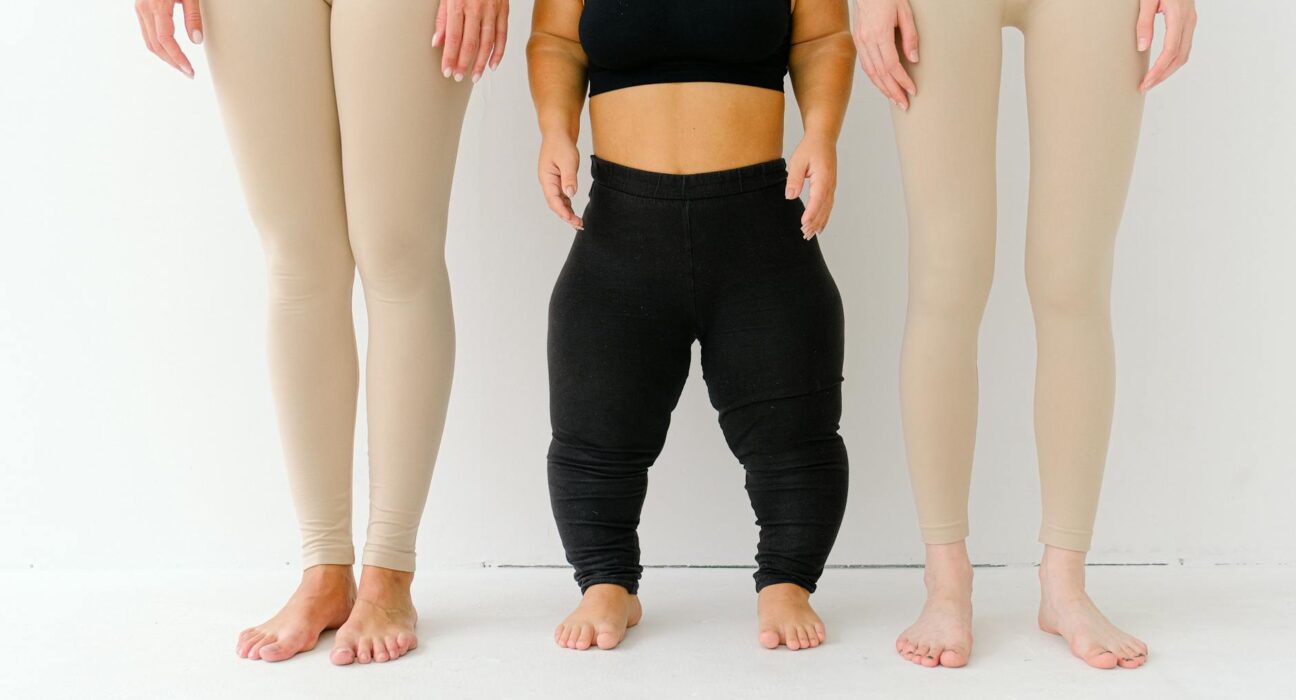
Body type calculator. Find out whether you are an ectomorph, mesomorph, or endomorph based on frame size, weight-gain pattern, muscle response, and carb tolerance. Calculator below. Each body type responds differently to food, training, and stress. Your body type is the starting point for figuring out what protocol will actually work for you instead of fighting your physiology.
Plus the part most body-type calculators skip: body type alone does not determine outcomes. The toxic load pattern you carry (heavy metals, parasites, mold, adrenal) is the bigger variable for energy, weight, and chronic symptoms. Run the free Toxic Load Type Tool further down to find your pattern.
Body Type Calculator
Ectomorph, mesomorph, or endomorph. Plus how each body type responds to food + training.
The Three Somatotypes (Body Types)
The somatotype framework was developed by psychologist W.H. Sheldon in the 1940s. It divides people into three primary types based on bone structure, muscle response, fat distribution, and metabolic tendency. Modern science treats it as a useful starting framework, not a rigid category. Most people are a blend with one dominant type.
Ectomorph
Lean and lanky. Narrow shoulders. Long limbs. Fast metabolism. Hard to gain weight or muscle. Generally low body fat. Carbs handled well metabolically. The “naturally thin” friend who eats anything and stays slim.
Common traits:
Mold and mycotoxin work is brutal when it's actually mold and frustrating when it isn't. The same brain fog, fatigue, and inflammation show up across all four toxic load types, which is why so many people spend months on the wrong protocol before that becomes obvious. The 2-minute What's Draining Your Brain Tool helps confirm or rule out mold as your dominant load before you commit to the next phase of work.
- Wrist measurement under 6.5 inches (women) or 7 inches (men)
- Narrow hips and shoulders
- Visible bone structure
- Cold hands and feet (low body fat)
- Builds muscle slowly even with consistent training
- Energy stable on high-carb diet
Mesomorph
Athletic frame. Naturally muscular. Wide shoulders, narrow waist (men) or hourglass proportions (women). Responsive to both training and nutrition. Builds muscle quickly. Loses fat when needed with effort. The most flexible body type metabolically.
Common traits:
- Square jaw, symmetric proportions
- Defined musculature even with moderate training
- Body fat distributes evenly
- Responds quickly to strength training
- Can build muscle and lose fat simultaneously (rare for other types)
- Balanced energy on most macro splits
Endomorph
Larger frame. Wider hips and waist. Slower metabolism. Builds muscle but often hidden under body fat. Carb-sensitive. Higher tendency to store fat around the midsection. Higher insulin response to refined carbs.
Common traits:
- Wrist over 7 inches (women) or 7.5 inches (men)
- Broader hips, shoulders, and bone structure
- Carries weight in midsection or lower body
- Builds muscle with effort, but it stays “padded”
- Slower fat loss even on calorie deficit
- Energy crashes after high-carb meals
- Insulin resistance tendency
How The Calculator Determines Your Type
Four inputs combine into your dominant somatotype:
- Height/wrist ratio determines frame size (small, medium, large). Small frame leans ectomorph, large frame leans endomorph.
- Weight-gain pattern tells the calculator how your body handles caloric surplus.
- Muscle response to training indicates whether you build muscle quickly (mesomorph) or slowly (ectomorph) or strongly-but-padded (endomorph).
- Carb tolerance reflects metabolic flexibility (ectomorph handles carbs well, endomorph less so).
The calculator scores each input across all three types and picks the dominant one. Most people land between two types (ecto-meso or meso-endo blends are common).
Why Body Type Matters For Protocol Design
Same diet does not work for all body types. Same training does not produce the same outcome. The intervention that gets a mesomorph to drop 10 pounds in 8 weeks may produce zero results for an endomorph and outright weight gain for a stressed ectomorph.
| Body Type | Macro Split | Training Focus |
|---|---|---|
| Ectomorph | 25P / 50C / 25F (higher carb) | Strength heavy, low cardio, surplus calories |
| Mesomorph | 30P / 40C / 30F (balanced) | Mixed strength + cardio, responds to most protocols |
| Endomorph | 40P / 25C / 35F (lower carb) | Strength + cardio, walking 5+ days, insulin focus |
The Limitation Of Body Type Alone
Knowing you are an endomorph and following endomorph-optimized nutrition is a great start. It is not the whole answer. Two endomorphs with identical diets and training can have wildly different outcomes if one has chronic mold exposure and the other does not. The body type is the frame. The toxic load is what is happening inside that frame.
Common patterns we see:
- Endomorph with heavy metal pattern. Cannot lose weight even on perfect endomorph protocol. Thyroid disrupted by mercury. Address the metals, the body composition shifts dramatically.
- Mesomorph with adrenal burnout. Looks great, feels terrible. Cortisol elevated 24/7. Looks fit, mood unstable, sleep broken. Address the HPA axis, energy and mood normalize.
- Ectomorph with parasite load. “Can’t gain weight” plus chronic bloating, sugar cravings, and brain fog. Address parasites, suddenly muscle gains stick and digestion calms.
- Endomorph with mold exposure. Cannot lose weight despite consistent diet plus exercise. Inflammation locks in fat storage. Address the mold source, body responds within months.
Body type tells you HOW your body builds. Toxic load tells you WHY your body might not be cooperating right now.
Take The Toxic Load Tool Right Now ↓
Counting calories alone rarely fixes stuck weight or chronic symptoms. The tool sorts you into one of four root patterns — heavy metals, parasites, mold, adrenal — so you commit to a protocol that actually matches what’s draining your body.
What's Draining Your Brain? Find Your Toxic Load Type
10 quick questions to find your toxic-load type — heavy metals, parasites, mold, or burned-out adrenals. Takes about 90 seconds. Includes a free First-Step Detox Cheat Sheet with five habits anyone can start tomorrow.
Common Questions About Body Type
Can I change my body type? Not the underlying skeletal frame. You can change the muscle and fat composition around that frame substantially. An endomorph who trains and eats well looks dramatically different than an untrained endomorph. The frame is the same. Everything else moves.
What if I am a mix of two types? Most people are. The calculator picks your dominant type. Use the protocol that matches your dominant. If you are 60% endomorph 40% mesomorph, follow endomorph guidance with the flexibility mesomorph allows.
Does body type change with age? Slightly. As we age, lean mass tends to decrease and fat percentage tends to increase regardless of starting type. An ectomorph in their 50s often looks more like a mesomorph or even lean endomorph depending on lifestyle.
Is somatotype scientifically valid? Sheldon’s original methodology had problems. Modern sports science has refined the framework. The core insight (people respond differently to food and training based on physiological tendencies) is well-supported. The strict 3-bucket categorization is more of a useful framework than a rigid rule.
Can two ectomorphs have very different needs? Yes. Body type is one variable. Hormones, gut health, toxic load, stress, age, training history all matter. The body type calculator gets you the starting frame. The Toxic Load Type Tool gets you the missing layer.
The Bigger Picture
Body type is the frame. Calorie tracking is one layer. Training is another. Toxic load is the variable that explains why two people with the same body type, same diet, and same training program can have completely different outcomes. The calculator above gives you the frame. The Toxic Load Type Tool gives you what is happening inside the frame.
The full integration of body type protocol plus toxic load clearance plus the right macros plus training is in the Toxic Load Reset PDF.
Disclosure. As an Amazon Associate, I earn from qualifying purchases. Educational content. Body type is a useful framework, not a medical diagnosis. Work with a practitioner for personalized recommendations if you have chronic conditions or specific goals.


